Eden Keller · 31 October 2026
Vistula Basin Lotus Observations Illuminate Shifting Bloom Patterns and Salinity Resilience in European Wetlands
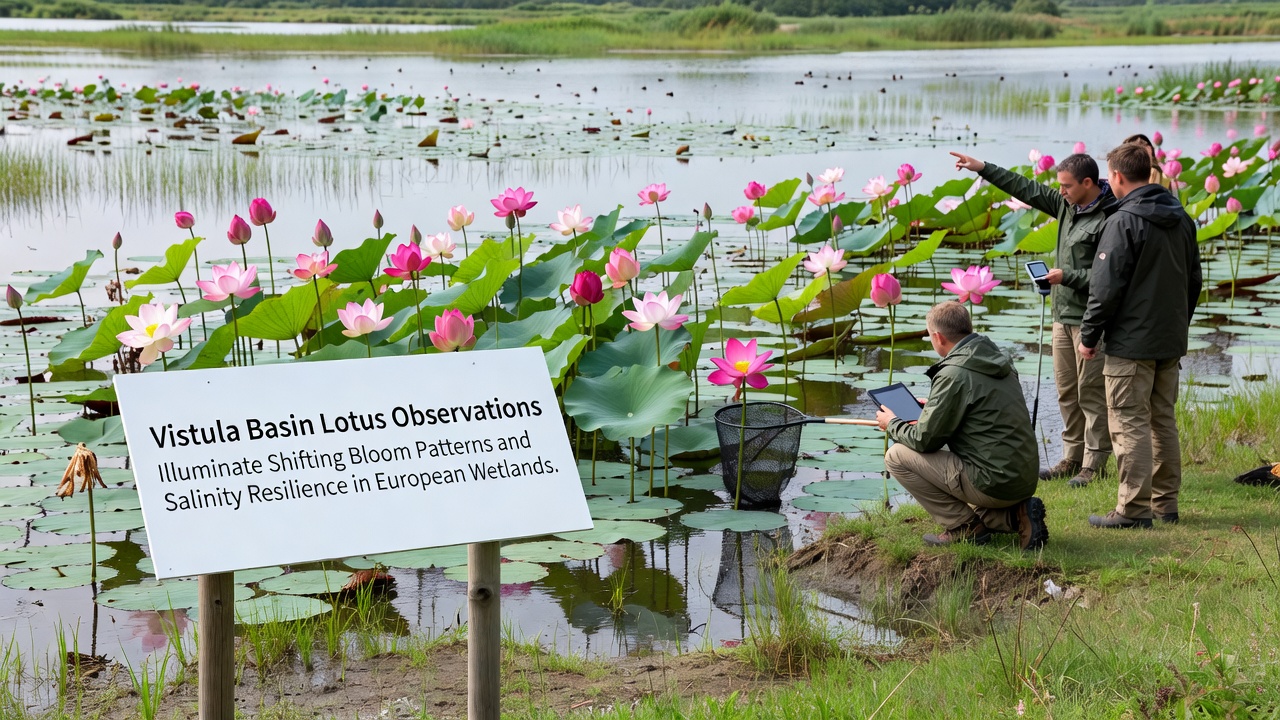
Observations from the Vistula Basin have documented changes in Nelumbo nucifera bloom timing and duration over multiple seasons, with data collected through 2026 showing earlier peak flowering periods compared to records from the previous decade. Researchers tracking these patterns noted that water temperature fluctuations and altered precipitation regimes correlate with the shifts, while salinity levels in certain tributaries have risen due to upstream agricultural runoff and seasonal tidal influences near the Baltic outlet.
Documented Changes in Bloom Timing
Monitoring stations along the Vistula River recorded that lotus flowers opened approximately twelve days earlier in 2025 than the 2015 baseline, and this advancement continued into the October 2026 survey period when late-season blooms persisted longer than expected. Field teams measured chlorophyll content and petal expansion rates across multiple stands, confirming that extended daylight combined with milder autumn temperatures supported prolonged reproductive cycles. These findings align with broader European wetland studies that track phenological responses in aquatic plants under variable climate conditions.
Salinity Tolerance Measurements
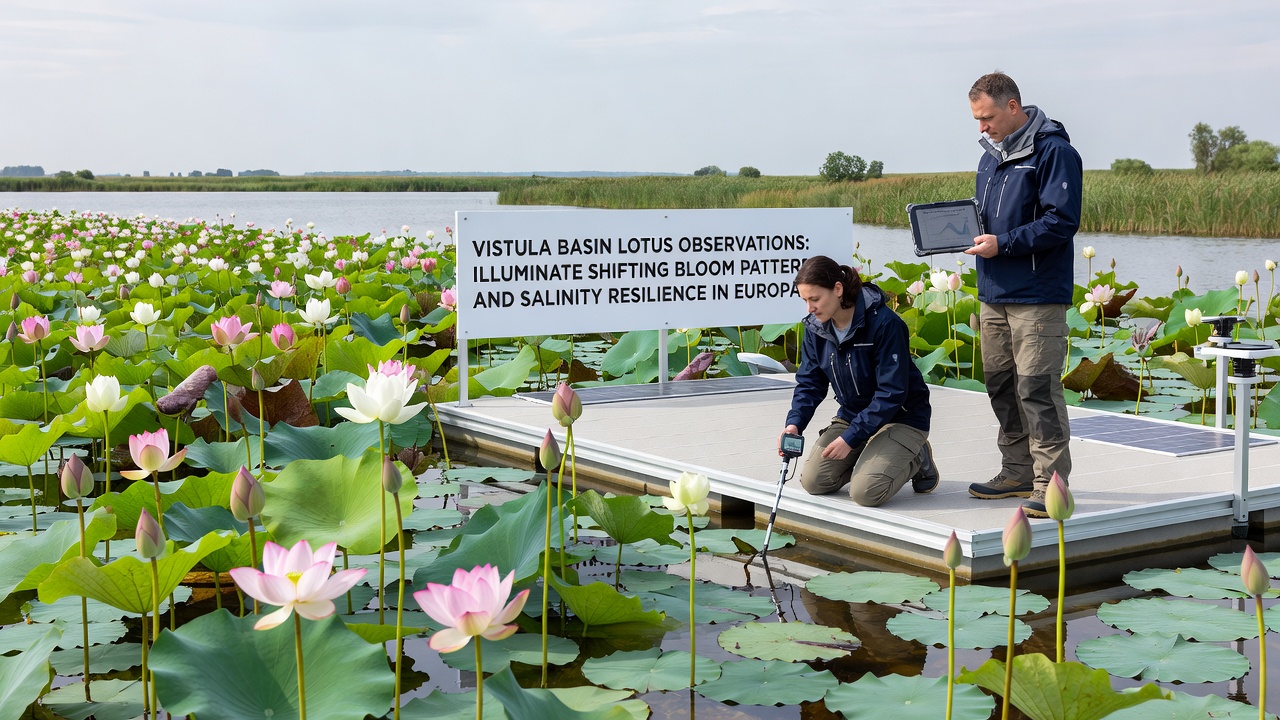
Experiments conducted at sites where river salinity ranged from 0.5 to 4.2 parts per thousand revealed that established Nelumbo nucifera populations maintained photosynthetic efficiency even when exposed to elevated salt concentrations for periods exceeding four weeks. Leaf samples analyzed in laboratory settings showed increased production of compatible solutes such as proline and glycine betaine, compounds that help cells retain water under osmotic stress. Growth rate comparisons between high-salinity and control plots indicated only a 9 percent reduction in biomass accumulation, suggesting a degree of resilience that exceeds earlier assumptions about the species' habitat limits.
Additional data from sediment cores extracted near the river delta pointed to historical fluctuations in salinity that may have already selected for more tolerant genotypes within local lotus populations. Genetic sequencing of root tissues collected during the 2026 campaign identified allelic variations in ion-transport genes that appear more frequent in Vistula specimens than in reference populations from strictly freshwater Asian lakes.
Integration with Regional Wetland Management
Authorities responsible for maintaining ecological connectivity in the Vistula floodplain have begun incorporating these observations into restoration protocols. Planting guidelines now prioritize stock sourced from the basin's more saline-tolerant stands when rehabilitating areas projected to experience future salt intrusion. Remote sensing maps produced by the European Environment Agency illustrate that roughly 18 percent of monitored wetland parcels along the lower Vistula show salinity trends consistent with the conditions tested in the lotus trials.
Parallel work at research institutions in North America has examined similar salinity thresholds in native wetland flora, providing comparative benchmarks that highlight the distinctive response of Nelumbo nucifera. Cross-referencing these datasets helps model how introduced or naturalized lotus populations might contribute to stabilizing vegetation cover in European systems facing combined pressures from climate variability and land-use intensification.
Future Monitoring Priorities
Long-term plots established in 2024 continue to yield weekly measurements of water chemistry, flower density, and seed viability. Plans call for expansion of sensor networks by 2027 to capture micro-variations in salinity during extreme weather events. Such expanded coverage will allow researchers to refine predictive models that link bloom pattern changes to specific environmental drivers and to evaluate whether resilience traits remain stable across successive generations.
Conclusion
Collective evidence from the Vistula Basin demonstrates measurable adjustments in Nelumbo nucifera phenology alongside physiological adaptations that support survival under moderate salinity stress. Continued systematic observation through coordinated field and laboratory efforts supplies the quantitative foundation needed for evidence-based wetland management across European river systems.