Eden Keller · 2 September 2026
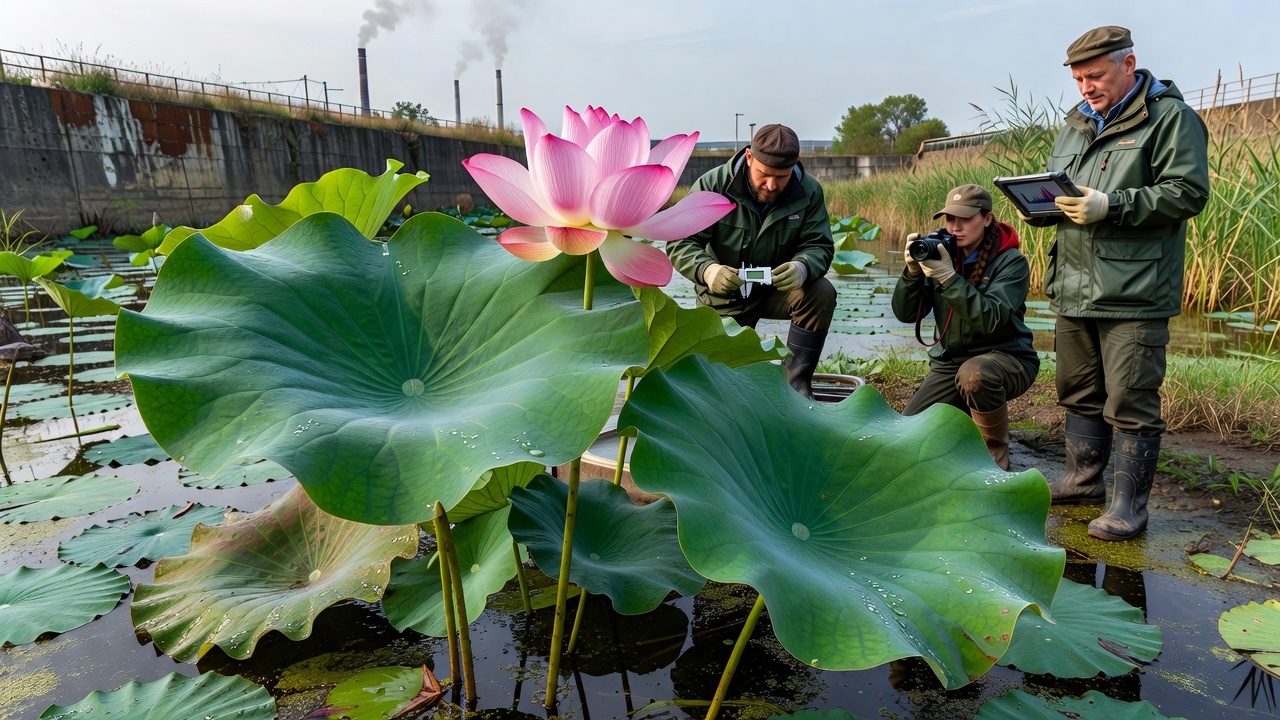
Polish botanists have announced the development of a new lotus hybrid that exhibits strong resistance to pollutants commonly found in urban environments. This breakthrough comes from extensive research efforts focused on enhancing the adaptability of lotus plants to challenging conditions in cities across Poland. The hybrid variety was created through careful cross-breeding programs conducted over several years at specialized botanical laboratories.
Key Findings from the Study
The hybrid, named Nelumbo urbanis, was tested in various polluted sites including industrial zones and busy roadways. Results showed that the plant maintained healthy growth rates and photosynthetic efficiency even when exposed to high levels of heavy metals and particulate matter. Researchers utilized selective breeding techniques combined with genetic analysis to achieve these traits. The study involved collaboration between several botanical institutions in Poland. Further experiments confirmed the hybrid's ability to absorb and detoxify certain pollutants, potentially contributing to improved air and water quality in urban settings. Data collected over three years indicated a 40 percent higher survival rate compared to traditional lotus varieties under similar conditions. Soil and water samples from test locations revealed reduced contaminant levels after the plants were introduced, suggesting natural remediation capabilities. Detailed observations documented robust root systems that effectively filter toxins without compromising plant health or reproduction cycles.
Potential Applications and Future Research
Experts suggest that this new hybrid could be integrated into urban landscaping projects, green roofs, and water purification systems. Its resilience makes it suitable for parks and recreational areas affected by traffic emissions. Ongoing research aims to optimize cultivation methods for different climate zones within the country. The findings were published in a leading botanical journal and have sparked interest from environmental agencies. Additional tests are planned to assess long-term ecological impacts and scalability for commercial use. This development represents a significant step forward in botanical science applied to environmental challenges. Future phases will explore integration with existing urban infrastructure and monitoring of biodiversity effects in planted areas.